Treatments
Stroke
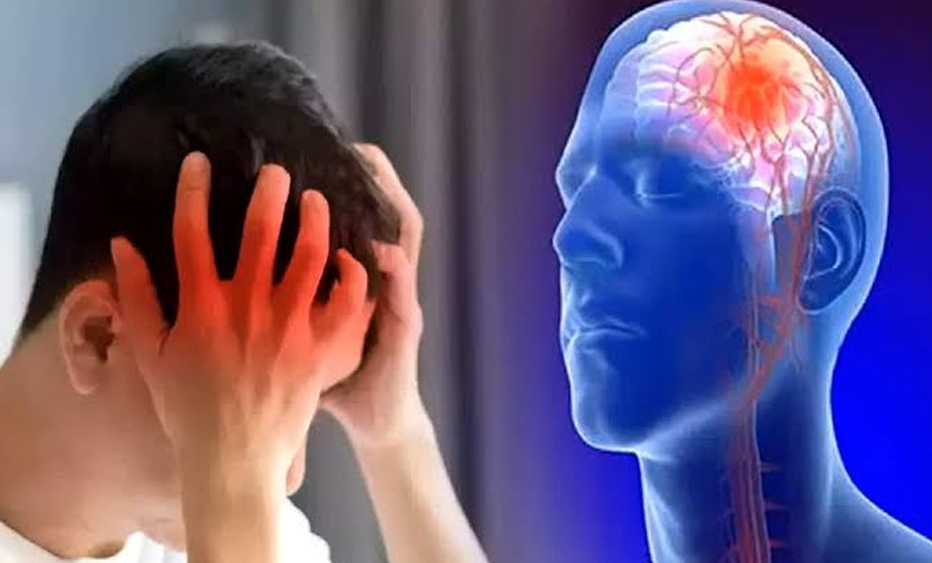
A stroke is a serious neurological condition that occurs when the blood supply to a part of the brain is interrupted or when a blood vessel in the brain ruptures. Without prompt medical treatment, brain cells can become damaged, potentially affecting movement, speech, memory, and other essential functions. Early recognition and timely treatment are crucial for reducing complications and improving recovery. Stroke care focuses on emergency management, rehabilitation, and prevention of future episodes.
Symptoms of Stroke
Stroke symptoms usually develop suddenly and may include weakness or numbness on one side of the face or body, difficulty speaking or understanding speech, sudden vision problems, loss of balance, dizziness, or difficulty walking. A sudden, severe headache without an obvious cause may also indicate a serious neurological emergency. Symptoms can vary depending on the part of the brain affected. Even if symptoms disappear after a few minutes, immediate medical evaluation is essential.
Causes and Risk Factors
The two main types of stroke are ischemic stroke, caused by a blocked blood vessel, and hemorrhagic stroke, caused by bleeding in or around the brain. Risk factors include high blood pressure, diabetes, high cholesterol, smoking, obesity, physical inactivity, certain heart conditions such as atrial fibrillation, and a previous stroke or transient ischemic attack (TIA). Identifying and managing these risk factors can help lower the likelihood of a future stroke.
Diagnosis and Evaluation
Stroke assessment requires urgent medical attention. Doctors evaluate symptoms, medical history, blood pressure, and neurological function. Brain imaging, such as a CT scan or MRI, helps identify the type and location of the stroke. Additional investigations may include blood tests, ECG, heart monitoring, and imaging of the blood vessels to determine the cause and guide treatment.
Treatment and Rehabilitation
Treatment depends on the type of stroke, its severity, and the time since symptoms began. Eligible patients with an ischemic stroke may receive clot-dissolving medication or undergo a procedure to remove the clot. Hemorrhagic stroke management may involve controlling bleeding and blood pressure, reversing certain blood-thinning medicines, or surgery when necessary. Rehabilitation may include physiotherapy, occupational therapy, and speech and language therapy to support recovery. Long-term care can include medication, lifestyle changes, and management of underlying health conditions.
When to Seek Emergency Care
Stroke is a medical emergency. If someone suddenly develops facial drooping, arm weakness, or speech difficulty, call emergency services immediately. Note the time symptoms began or when the person was last known to be well. Do not wait for symptoms to improve, and do not give food, drink, or medication unless instructed by medical professionals. Prompt treatment can be lifesaving and may reduce the risk of lasting disability.
Need a Neurological Evaluation?
If you have concerns about neurological symptoms, consult a qualified healthcare professional for an appropriate assessment and guidance.