Treatments
Neurophysiology - EEG/NCS/EMG
Neurophysiology tests help evaluate how the brain, nerves, and muscles function by recording their electrical activity. These investigations assist neurologists in diagnosing and assessing various neurological conditions, including seizures, peripheral nerve disorders, muscle diseases, and nerve compression. Common tests include Electroencephalography (EEG), Nerve Conduction Studies (NCS), and Electromyography (EMG). Each test examines a different aspect of nervous system function and may be recommended based on a patient's symptoms, medical history, and neurological examination. Accurate testing supports diagnosis, treatment planning, and ongoing monitoring.
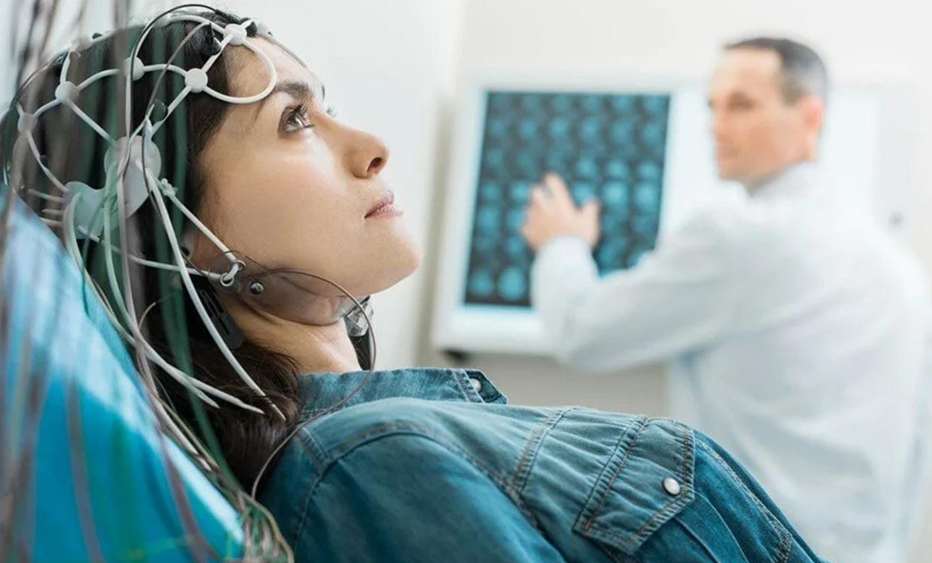
Electroencephalography (EEG)
EEG records the electrical activity of the brain using small electrodes placed on the scalp. It is commonly used to investigate seizures, epilepsy, unexplained episodes of altered awareness, and certain sleep-related conditions. During the test, brain wave patterns are recorded while the patient rests. In some cases, specific procedures such as controlled breathing or exposure to flashing lights may be used under professional supervision. EEG findings help doctors assess brain activity, although the results must be interpreted alongside symptoms and other clinical information.
Nerve Conduction Studies (NCS)
Nerve Conduction Studies assess how electrical signals travel through peripheral nerves. Small electrical impulses are applied through surface electrodes, and the responses are measured to evaluate nerve signal speed and strength. NCS may be recommended for symptoms such as numbness, tingling, burning sensations, muscle weakness, or suspected nerve compression. It can help investigate conditions such as carpal tunnel syndrome, peripheral neuropathy, and certain nerve injuries. The results help identify the location and possible extent of nerve dysfunction.
Electromyography (EMG)
EMG evaluates the electrical activity of muscles and helps determine whether muscle symptoms may be related to muscle disease or nerve dysfunction. A specialist may insert a fine needle electrode into selected muscles to record their electrical activity at rest and during contraction. EMG is often performed alongside NCS when investigating muscle weakness, cramps, muscle wasting, or unexplained movement difficulties. The findings can help assess conditions affecting the connection between nerves and muscles, as well as certain nerve root and muscle disorders.
Diagnosis and Clinical Evaluation
The choice of neurophysiology test depends on the symptoms and the suspected neurological condition. A neurologist reviews the patient's medical history, performs a clinical examination, and determines which investigation is appropriate. EEG, NCS, and EMG provide different types of information and may sometimes be used together. Results are interpreted with clinical findings and, when necessary, imaging or laboratory investigations to support an accurate diagnosis and guide further care.
When to Consult a Neurologist
Consult a neurologist if you experience recurrent unexplained episodes of altered awareness, persistent numbness or tingling, muscle weakness, unexplained muscle wasting, or ongoing nerve-related pain. Your doctor can determine whether EEG, NCS, EMG, or another investigation is appropriate. Sudden weakness on one side of the body, difficulty speaking, or a first seizure requires urgent medical evaluation.
Need a Neurological Evaluation?
If you have concerns about neurological symptoms, consult a qualified healthcare professional for an appropriate assessment and guidance.