Treatments
Demyelinating Disorders
Demyelinating disorders are neurological conditions that damage the myelin sheath, the protective covering surrounding nerve fibres that helps electrical signals travel efficiently throughout the nervous system. Damage to this covering can interrupt communication between the brain, spinal cord, and other parts of the body. Multiple sclerosis (MS) is one of the most recognised demyelinating disorders. Symptoms and their severity vary depending on the nerves affected. Early diagnosis, appropriate treatment, and regular neurological follow-up can help manage symptoms and support long-term quality of life.
Common Symptoms of Demyelinating Disorders
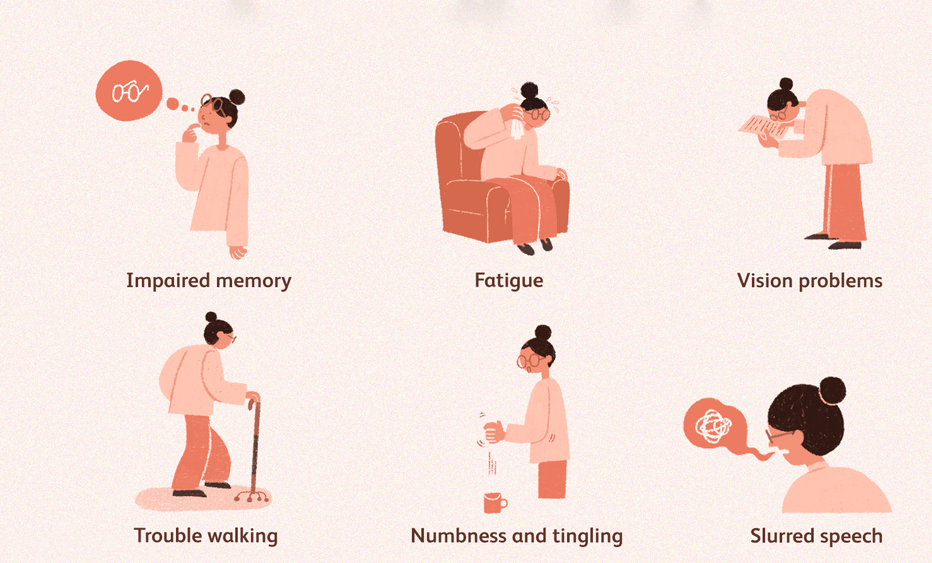
Symptoms depend on the location and extent of nerve damage. Common signs include numbness or tingling in the arms and legs, muscle weakness, difficulty walking, balance problems, blurred or double vision, eye pain, muscle stiffness, and unusual fatigue. Some individuals may experience dizziness, coordination difficulties, bladder problems, or changes in concentration and memory. Symptoms may develop suddenly or gradually and can sometimes improve before returning. New or worsening neurological symptoms should be evaluated by a qualified medical professional.
Types and Causes
Demyelinating conditions include multiple sclerosis, neuromyelitis optica spectrum disorder (NMOSD), and myelin oligodendrocyte glycoprotein antibody-associated disease (MOGAD). Some conditions primarily affect the central nervous system, while others affect peripheral nerves. Causes vary and may involve immune system activity that mistakenly attacks myelin, genetic susceptibility, infections, or other underlying medical factors. The exact cause depends on the specific disorder, and not all demyelinating conditions develop through the same mechanism.
Diagnosis and Neurological Evaluation
Diagnosis begins with a detailed medical history and neurological examination. Depending on the symptoms, investigations may include MRI scans of the brain or spinal cord to identify areas of inflammation or myelin damage. Blood tests may help identify specific antibodies or exclude other conditions. In selected cases, a lumbar puncture to analyse cerebrospinal fluid, visual assessments, or nerve function tests may be recommended. Accurate diagnosis is important because different demyelinating disorders can require different treatment approaches.
Treatment and Management
Treatment depends on the specific diagnosis, disease activity, and severity of symptoms. Doctors may prescribe corticosteroids for certain acute inflammatory attacks and disease-modifying therapies for eligible patients with particular conditions, such as multiple sclerosis. Some patients may require treatments that target specific immune system pathways. Symptom management may include medication for pain, muscle stiffness, fatigue, or bladder difficulties. Physiotherapy, occupational therapy, regular follow-up, and an individually tailored rehabilitation plan can help maintain mobility and independence.
When to Consult a Neurologist
Consult a neurologist if you experience persistent numbness, unexplained weakness, recurring vision disturbances, balance difficulties, or other unusual neurological symptoms. Prompt assessment is particularly important when symptoms are new or worsening. Sudden weakness on one side of the body, difficulty speaking, sudden vision loss, or an abrupt loss of coordination requires immediate emergency medical attention, as these symptoms may indicate a stroke or another urgent condition.
Need a Neurological Evaluation?
If you have concerns about neurological symptoms, consult a qualified healthcare professional for an appropriate assessment and guidance.